Introduction
Managing diabetes is not just about taking medication — it’s largely about making the right food choices every single day. A structured 7-day diet plan for diabetic patients can help stabilize blood sugar levels, improve energy, support weight management, and reduce complications.
Whether you have Type 1 diabetes, Type 2 diabetes, or prediabetes, diet plays a central role in glucose control. This comprehensive guide provides a practical weekly meal plan, food tables, portion control tips, and lifestyle advice to help you stay on track safely and sustainably.
Quick Answer
What is the best 7-day diet plan for diabetic patients?
A balanced 7-day diet plan for diabetic patients includes high-fiber foods, lean protein, healthy fats, low-glycemic carbohydrates, and controlled portion sizes. Meals should be evenly spaced throughout the day to prevent blood sugar spikes and crashes.
Why Diet Is Crucial in Diabetes Management
Blood sugar levels rise when we consume carbohydrates. In people with diabetes, insulin function is impaired, which makes blood glucose harder to regulate.
A properly designed 7-day diet plan for diabetic patients helps:
-
Maintain stable glucose levels
-
Prevent sudden sugar spikes
-
Improve insulin sensitivity
-
Reduce risk of heart disease
-
Support healthy weight
Diet consistency is more important than extreme restrictions.
Understanding Nutritional Needs for Diabetic Patients
1. Carbohydrates: Quality Matters
Carbohydrates directly impact blood sugar. Focus on:
-
Whole grains
-
Millets
-
Oats
-
Brown rice
-
Quinoa
Avoid refined flour and sugary foods.
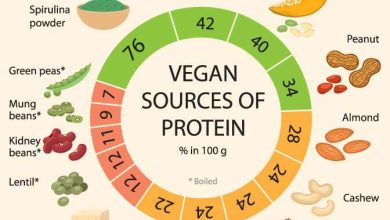
2. Protein for Stability
Protein slows glucose absorption and keeps you full longer.
Good sources:
-
Eggs
-
Paneer
-
Tofu
-
Lentils
-
Chicken
-
Fish
3. Fiber for Blood Sugar Control
Fiber slows digestion and prevents rapid glucose spikes.
High-fiber foods:
-
Vegetables
-
Beans
-
Chia seeds
-
Flaxseeds
4. Healthy Fats
Healthy fats improve heart health, which is essential for diabetics.
Sources:
-
Almonds
-
Walnuts
-
Olive oil
-
Avocado
Foods to Include in a 7-Day Diet Plan for Diabetic Patients
| Food Group | Recommended Options | Benefits |
|---|---|---|
| Whole Grains | Brown rice, oats, millets | Slow sugar release |
| Vegetables | Spinach, broccoli, carrot | High fiber |
| Fruits | Apple, guava, berries | Low GI options |
| Proteins | Eggs, lentils, chicken | Stable energy |
| Healthy Fats | Nuts, seeds, olive oil | Heart protection |
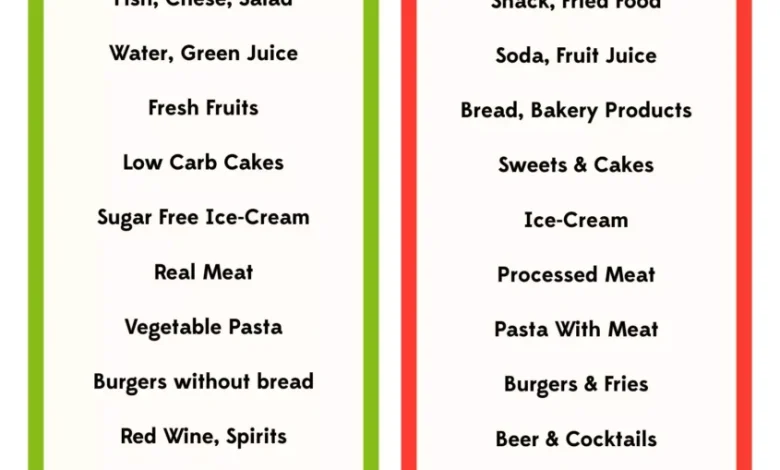
Foods to Avoid
-
Sugary beverages
-
White bread
-
Pastries
-
Deep-fried snacks
-
Packaged fruit juices
Avoiding these helps your 7-day diet plan for diabetic patients work effectively.
7-Day Diet Plan for Diabetic Patients (Detailed Meal Chart)
Below is a balanced weekly plan. Portion sizes should be adjusted based on age, weight, and activity level.
Day 1
Breakfast: Vegetable oats + boiled egg
Mid-Morning: Apple + almonds
Lunch: Brown rice + dal + salad
Evening Snack: Roasted chana
Dinner: Vegetable soup + paneer
Day 2
Breakfast: Moong dal chilla + mint chutney
Snack: Guava
Lunch: Multigrain roti + mixed veg + chicken curry
Snack: Green tea + nuts
Dinner: Stir-fried tofu + sautéed vegetables
Day 3
Breakfast: Upma with vegetables
Snack: Buttermilk
Lunch: Quinoa + rajma + salad
Snack: Sprouts salad
Dinner: Grilled fish + broccoli
Day 4
Breakfast: Boiled eggs + whole grain toast
Snack: Pear
Lunch: Brown rice + chole + cucumber salad
Snack: Pumpkin seeds
Dinner: Vegetable curry + paneer
Day 5
Breakfast: Smoothie (unsweetened almond milk + chia seeds + berries)
Snack: Handful of walnuts
Lunch: Millet roti + lauki sabzi + dal
Snack: Roasted makhana
Dinner: Clear chicken soup
Day 6
Breakfast: Poha with peanuts (controlled portion)
Snack: Orange (small)
Lunch: Grilled fish + stir-fried vegetables
Snack: Greek yogurt (unsweetened)
Dinner: Mixed vegetable soup
Day 7
Breakfast: Idli (2 small) + sambar
Snack: Apple slices
Lunch: Brown rice + chicken curry + salad
Snack: Almonds
Dinner: Light vegetable curry + tofu
Sample Daily Timing Table
| Time | Meal |
|---|---|
| 7–8 AM | Breakfast |
| 10–11 AM | Mid-morning snack |
| 1–2 PM | Lunch |
| 4–5 PM | Evening snack |
| 7–8 PM | Dinner |
Spacing meals every 3–4 hours helps stabilize glucose.
Portion Control: The Plate Method
A simple rule for every meal:
-
½ plate vegetables
-
¼ plate protein
-
¼ plate whole grains
This method makes a 7-day diet plan for diabetic patients easy to follow without calorie counting.
Carb Counting Tips
-
1 serving of carbs ≈ 15 grams
-
Women: 30–45g per meal
-
Men: 45–60g per meal
Monitor blood glucose to personalize intake.
Hydration and Lifestyle Tips
1. Drink 2–3 Liters of Water Daily
Avoid sugary drinks.
2. Exercise Regularly
-
30 minutes brisk walking
-
Light strength training
-
Yoga
3. Sleep 7–8 Hours
Poor sleep increases insulin resistance.
A balanced lifestyle strengthens your 7-day diet plan for diabetic patients results.
Special Considerations for Type 1 vs Type 2 Diabetes
Type 1
-
Requires insulin adjustments
-
Carb counting is critical
Type 2
-
Focus on weight management
-
Improve insulin sensitivity
Always consult your doctor before major diet changes.
Common Mistakes to Avoid
-
Skipping meals
-
Overeating “sugar-free” sweets
-
Ignoring portion sizes
-
Drinking fruit juices instead of whole fruits
-
Not checking blood glucose regularly
These mistakes can disrupt your 7-day diet plan for diabetic patients effectiveness.
Frequently Asked Questions
Can diabetic patients eat rice?
Yes, but choose brown rice and control portion sizes.
Are fruits safe for diabetics?
Yes, low-GI fruits in moderation are safe.
How many meals should diabetics eat daily?
5 small balanced meals help maintain stable blood sugar.
Long-Term Strategy Beyond 7 Days
A 7-day diet plan for diabetic patients is a starting point, not a temporary fix. Sustainable diabetes management requires:
-
Consistency
-
Regular glucose monitoring
-
Balanced nutrition
-
Active lifestyle
-
Medical supervision
Conclusion
A well-planned 7-day diet plan for diabetic patients can significantly improve blood sugar stability when combined with exercise and medical guidance. The key is balance — not starvation, not extreme carb cutting, and not fad diets.
Focus on:
-
Whole foods
-
Fiber-rich vegetables
-
Lean proteins
-
Healthy fats
-
Controlled portions
Diabetes management is a lifelong journey. Small, consistent habits will always deliver better results than extreme short-term changes.
If you stay disciplined and mindful of your food choices, stable blood sugar levels are absolutely achievable.
Read More:-Top 15 Low Calorie High Protein Foods to Burn Fat Fast