Can HIFU Replace a Thread Lift or Do the Treatments Address Different Concerns?

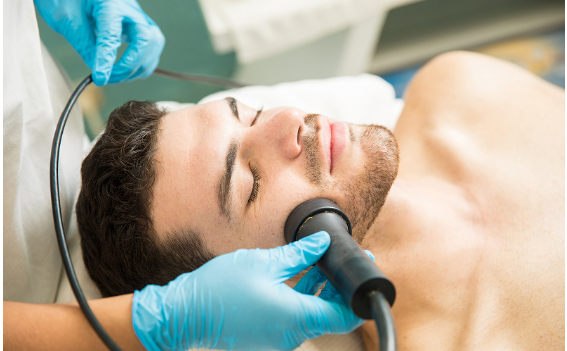
HIFU and thread lifts are both described as non-surgical lifting treatments, so it is easy to assume they do the same job. In reality, they work in very different ways. One uses focused ultrasound energy to heat and tighten deeper tissue over time, while the other uses dissolvable threads placed under the skin to lift and hold tissue in a new position. Anyone comparing a thread lift in Singapore with an energy-based option may find that the choice depends less on intensity and more on which concern needs to be addressed.
What HIFU Is Designed to Do
High-intensity focused ultrasound delivers heat to targeted depths beneath the skin, including the muscular layer that supports the face. This triggers a healing response that tightens tissue gradually. HIFU is commonly considered for concerns like these:
- Mild to moderate skin laxity along the jawline and lower face.
- Early sagging of the brows or upper face.
- Loose skin under the chin and on the neck.
- People who prefer a treatment without needles or incisions.
- Maintenance between other procedures or as a preventive step.
- Gradual change for those who prefer results to appear subtly over months.
What a Thread Lift Is Designed to Do
Thread lifts use fine, dissolvable threads, often with small cones or barbs, inserted under the skin to reposition sagging tissue. As the threads dissolve, they may also stimulate collagen around them. They are commonly considered in situations such as these:
- Moderate sagging where tissue needs to be physically lifted rather than only tightened.
- Drooping mid-face or cheeks that contribute to deeper nasolabial folds.
- Jowls that create an uneven jawline.
- Patients seeking a visible change soon after the procedure.
- Areas where targeted placement can shape a specific contour.
Comparing HIFU and Thread Lifts
Before deciding, it helps to see how the two treatments differ in practice. HIFU in Singapore is generally offered by doctors in aesthetic clinics, as are thread lifts, and the main differences tend to fall into categories like these:
| Factor | HIFU | Thread Lift |
| How it works | Heat-induced tightening of deeper layers | Mechanical lifting with dissolvable threads |
| Needles or incisions | None | Small entry points with a needle or cannula |
| When changes appear | Gradually over two to three months | Some lift seen immediately, with further change as collagen forms |
| Typical downtime | Minimal, with possible redness or tenderness | A few days of possible swelling, bruising or tightness |
| Common side effects | Temporary numbness or swelling | Dimpling, asymmetry or thread visibility in some cases |
| Number of sessions | Often one, with yearly maintenance | Usually one, repeated as threads dissolve |
| How long results may last | Often around a year, varying by person | Often one to two years, depending on the thread type |
Situations Where Both May Be Used
Some patients have the two treatments combined rather than choosing one. A doctor may suggest a combined plan in circumstances such as these:
- Thread lift to reposition the mid-face, followed by HIFU to tighten surrounding skin.
- HIFU first for overall firmness, then threads for targeted areas that still sag.
- Staggered maintenance, with HIFU sessions between thread lift procedures.
- HIFU on the brow and upper face while threads lift the jowls.
- Separate treatment of the face with threads and the neck with HIFU.
Choosing Based on the Concern
HIFU is unlikely to replace a thread lift for someone with moderate sagging that needs repositioning, and a thread lift may be more than is needed for someone with early laxity. Since the treatments address different concerns, a consultation with a doctor who assesses skin condition, degree of sagging and personal goals can help determine whether one, the other or a combination suits your situation.
Message Shens Clinic to find out whether HIFU, a thread lift or both fit your concerns.