Key Highlights
- Medications can ease pain and swelling but work best alongside other care.
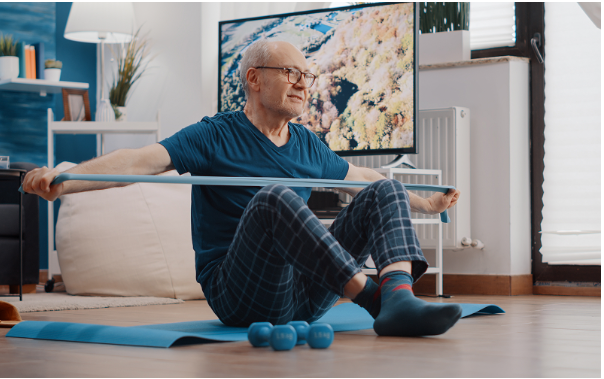
- Low-impact exercise helps keep joints moving and muscles supporting them.
- Shedding extra weight may reduce the load placed on the knees and hips.
- Small daily habits, from footwear to posture, can add up over time.
- A doctor can tailor a plan to your joints, history and daily routine.
Why Joint Pain Rarely Has a Single Fix
If your knees creak on the stairs or your fingers feel stiff first thing in the morning, you’re far from alone. Joint pain is a common reason people see a doctor, and arthritis sits behind many of those visits. The tricky part is that there’s rarely one pill or one habit that sorts it all out.
That’s why most approaches to arthritis treatment in Singapore combine medication with changes to how you move, eat and rest. An osteoarthritis doctor will usually look at both sides together, since each one tends to help the other work a little better. Here’s how the two fit together in everyday life.
What Medications Actually Do for Sore Joints
Medication mostly manages symptoms so you can stay active through the day. It doesn’t reverse joint wear, but it can ease pain and swelling enough to make other changes possible. Here are the common options:
| Medication Type | How It’s Used | Worth Knowing |
| Paracetamol | Tablets for mild pain | Keep to the daily limit |
| Oral anti-inflammatories | Short courses for swelling | May affect the stomach or kidneys |
| Topical gels | Rubbed onto knees or hands | Fewer whole-body effects |
| Joint injections | Given by a doctor | Relief varies between people |
The right choice depends on your age, health and current medicines. An osteoarthritis doctor can weigh these and adjust doses over time, which is safer than relying on shop-bought painkillers for months.
Moving More Without Making Things Worse
It might feel counterintuitive to exercise when your joints ache, but staying still often leads to more stiffness. Gentle, regular movement keeps joints flexible and builds up the muscles around them, which helps share the load. Swimming, cycling, brisk walking and tai chi are popular picks because they’re easier on the joints.
The key is to start small and build up gradually. Ten to fifteen minutes a day is a reasonable starting point for many people, and mild soreness afterwards can be normal. Many plans for arthritis treatment in Singapore include a physiotherapist, who can show you safe techniques and tweak exercises if a particular movement flares things up.
Easing the Load Through Weight and Diet
Your knees and hips carry your body weight every time you stand, walk or climb stairs, so even a modest weight loss may ease some of that pressure. A few steady swaps can help:
- Fill half your plate with vegetables to keep meals filling but lighter.
- Choose grilled or steamed dishes over fried ones when eating out.
- Cut back on sugary drinks, including sweetened kopi and teh.
- Add oily fish like salmon or sardines to your weekly meals.
If losing weight has been a struggle, it’s worth raising it with your osteoarthritis doctor. They can help you set realistic targets and check whether any medications or health conditions are getting in the way.
Small Daily Habits That Add Up
Beyond exercise and diet, everyday choices shape how your joints feel. Supportive shoes with cushioned soles can make long walks easier, while a trolley bag instead of heavy shopping bags spares your hands and shoulders. Warm showers or heat packs in the morning may loosen stiff joints, and cold packs can help after activity if there’s swelling.
Sleep and stress matter too, since poor rest can make pain feel worse. Pacing yourself, taking breaks during chores and setting up your workspace at a comfortable height all count. These habits won’t replace medical care, but they can support the rest of your arthritis treatment in Singapore and make daily life a bit easier.
Putting the Pieces Together
Joint pain tends to respond best when you tackle it from more than one angle. Medication can bring pain down to a manageable level, while exercise, weight management and everyday habits help your joints cope with the demands of daily life. Each part supports the others, and progress usually comes in small steps rather than overnight changes.
It also helps to keep track of what works for you. Noting which activities trigger flare-ups, how you respond to a new medicine or how your sleep affects your pain gives you and your doctor useful information for adjusting your plan. What suits one person may not suit another, so a bit of patience and trial is part of the process.
Contact Dr Bryan Tan to talk through your joint pain and work out a treatment plan that fits your needs and routine.